

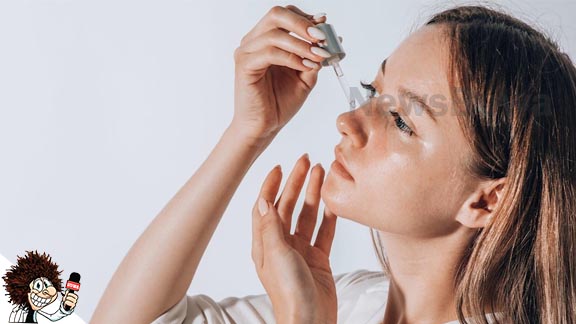
Acids on the face? It may sound terrifying if you only know about HCl and may sound hilarious if only know about formic acid. However, using acids at the right concentrations can be a miracle tool for fighting acne, wrinkles, age spots, and uneven skin tone.
Choosing the correct skincare acid might be an actual challenge with so many acids on the market. Before deciding which to use for what, let’s get to know some of the regular acids in skincare.
- Salicylic acid
You might have heard a lot about this as it is one of the most common ingredients in products that treat acne. This can exfoliate the skin and keep pores clear. This is used in higher concentrations as a peeling agent for treating acne, acne scars, melasma, and age spots. You can purchase serums and cleansers at concentrations between 0.5 and 2 percent.
- Glycolic acid
Glycolic acid comes from sugar cane and is the smallest alpha-hydroxy acid (AHA). This is very effective at exfoliating skin, reducing fine lines, preventing acne, increasing skin thickness, and evening out skin tone and texture. However, this increases sun sensitivity even when it isn’t on the skin. Therefore, using this acid requires sunscreen to prevent extra sun damage. Additionally, you should skip glycolic acid if you have dry, sensitive, or reactive skin.
- Mandelic acid
Mandelic acid is another alpha-hydroxy acid derived from bitter almonds. This is useful for preventing acne, treating sun damage, and evening out pigmentation. Nevertheless, due to its larger molecular structure, it doesn’t penetrate the skin deeply like Glycolic acid. It is generally recommended in peels.
- Azelaic acid
Azelaic acid has been one of the mainstay treatments for fighting moderate acne. This helps to keep pores clear, kills bacteria, and reduces inflammation. This is found at 15 to 20 percent concentrations in creams designed for the face. This also acts like a skin-lightening agent as it helps in fading acne marks or post-inflammatory hyperpigmentation.
- Kojic acid
Kojic acid is produced by bacteria used in the fermentation of rice. This is very popular in Asian skincare products which are specialized to decrease hyperpigmentation and uneven skin tone. Even though this is very effective, it can be very irritating to the skin.
- Lactic acid
Lactic acid is also an alpha-hydroxy acid (AHA) which is found in dairy products like milk. Lactic acid acts like a gentle exfoliator and helps smooth and soften rough or scaly skin. Since lactic acid is one of the gentlest alpha-hydroxy acids, it is suitable for dry and sensitive skin types as well. Moreover, it offers hydrating benefits too.
Among them which acid should I use to treat my skin?
This must be the exact question that has popped into your mind right now. To choose a solution, you must understand the problem what you want to treat, and what your skin type is. For example, if you have acne-prone skin, you can try salicylic acid, glycolic acid, lactic acid, etc.
Many acids offer multiple benefits and since they can come in different formulations it is possible to use more than one. However, it is not advisable to mix face acid with another at the same time. There are plenty of chances to interact the acids with each other.
You should avoid using glycolic acid or lactic acid in combination with ascorbic acid (Vitamin C). Besides, you should never use salicylic acid with any other acid at the same time.
You can organize your acids between daytime and nighttime use. Still, you will get the benefits even if you use different acids in separate applications.
Hence, choose what best is for you and enjoy clear and healthy skin.