

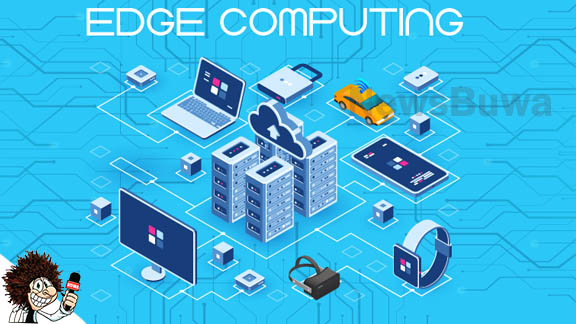
Edge computing is a rapidly growing technology trend that has emerged as a solution to the limitations of centralized cloud computing. In traditional cloud computing, data is sent to a remote data center for processing and storage. However, this approach can lead to latency issues, especially in applications that require real-time processing, such as autonomous vehicles, industrial automation, and gaming.
Edge computing, on the other hand, brings the computing resources closer to the devices and sensors that generate the data. This means that data is processed and analyzed at the edge of the network, often in devices such as sensors, routers, or gateways. By processing data locally, edge computing reduces the amount of data that needs to be transmitted to a remote data center, thus minimizing latency.
Edge computing has numerous benefits, including improved performance, increased reliability, and enhanced security. For example, in autonomous vehicles, edge computing can enable real-time processing of sensor data, enabling the vehicle to make split-second decisions without the need for a remote data center. In industrial automation, edge computing can reduce downtime by processing data locally and making real-time adjustments to production processes.
Edge computing can also enhance security and privacy by keeping sensitive information closer to the source and reducing the need for data to be transmitted over long distances. This approach can minimize the risk of data breaches or other security issues.
However, edge computing also presents several challenges. For example, managing a distributed computing environment can be complex, and ensuring data consistency across multiple nodes can be difficult. In addition, the deployment of edge computing infrastructure can be costly, particularly in remote or inaccessible locations.
Despite these challenges, edge computing is expected to continue to grow in popularity and become a critical technology in many industries. As the number of connected devices and sensors continues to increase, edge computing will become increasingly important for processing the massive amounts of data generated by these devices in real-time.