

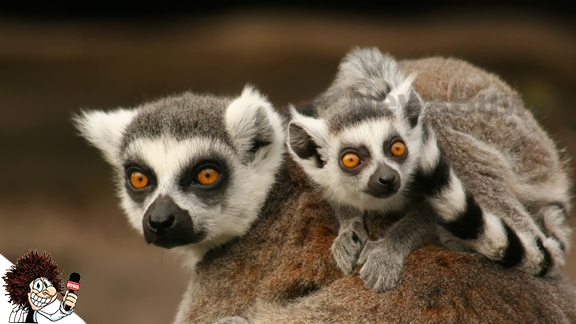
Do you remember King Julien XIII from the movie Madagascar, the self-proclaimed King of the lemurs? While King Julien may be a fictional character, real lemurs are indeed a fascinating and essential part of the dark forests of Madagascar. Today, on the last Friday of October, we celebrate World Lemur Day, dedicated to these captivating creatures.
Lemurs, with a name originating from the Latin term “lemurs,” meaning ghosts or spirits, are truly unique. They might resemble monkeys at first glance due to their tree-dwelling nature, but lemurs have a distinct charm of their own. Most lemurs are small, sporting a pointed snout, large eyes, and a long tail. With over 100 known species, they form the most diverse group of primates worldwide, ranging from the tiny mouse lemur, no bigger than a mouse, to the majestic indri, towering at over 6 feet tall.
One standout feature of lemurs is their toothcomb, a specialized set of teeth they use for grooming. Their vertical clinging and leaping locomotion allow them to move swiftly through the trees. And they have a rich repertoire of vocalizations, with some, like the indri, producing calls that can be heard for miles.
Lemurs are not only intelligent but also innovative problem solvers. They use tools to obtain food and tackle various challenges. As herbivores, their diet mainly consists of leaves, fruits, and flowers. Living in social groups of varying sizes, they help disperse seeds and pollinate plants, contributing to the delicate balance of the Madagascan ecosystem. Lemurs are also a major draw for tourists, boosting the local economy.
They are not only vocal but also expressive through body language. They use their tails, teeth, and postures to communicate various emotions and intentions. Scent marking is another way they communicate, helping them establish territory and attract mates.
Lemurs exhibit a range of personalities when it comes to human interaction. In some parts of Madagascar, you might spot lemurs foraging in yards and gardens, living in close proximity to people, while in other regions, they may be more elusive.
The safety of lemurs near human settlements depends on various factors, including local conservation awareness and the behavior of people. Awareness of the importance of lemur conservation and respect for their habitat can make a significant difference. Remember that while some lemurs, like the playful ring-tailed lemurs, may approach humans for interaction, others, such as the shy indri lemurs, prefer their space.
Unfortunately, lemurs are facing numerous threats, from habitat loss and deforestation to hunting. These challenges have pushed many lemur species to the brink of extinction. Conservation efforts are underway to protect both lemurs and their habitats, but they need our support.
Lemurs face threats like poaching for bushmeat, capture for the pet trade, and demand for traditional medicine. These factors, along with habitat loss due to deforestation, contribute to the decline in lemur populations. It’s crucial to spread awareness about these issues to protect these remarkable animals.
To protect these incredible creatures and their habitat, it’s essential to celebrate World Lemur Day and spread the word. Let’s appreciate the unique biodiversity of lemurs, their vital role in Madagascar’s ecosystem, and join hands in their conservation efforts.
Together, we can ensure that the “ghosts of the forest” continue to enchant us for generations to come.
Happy World Lemur Day!
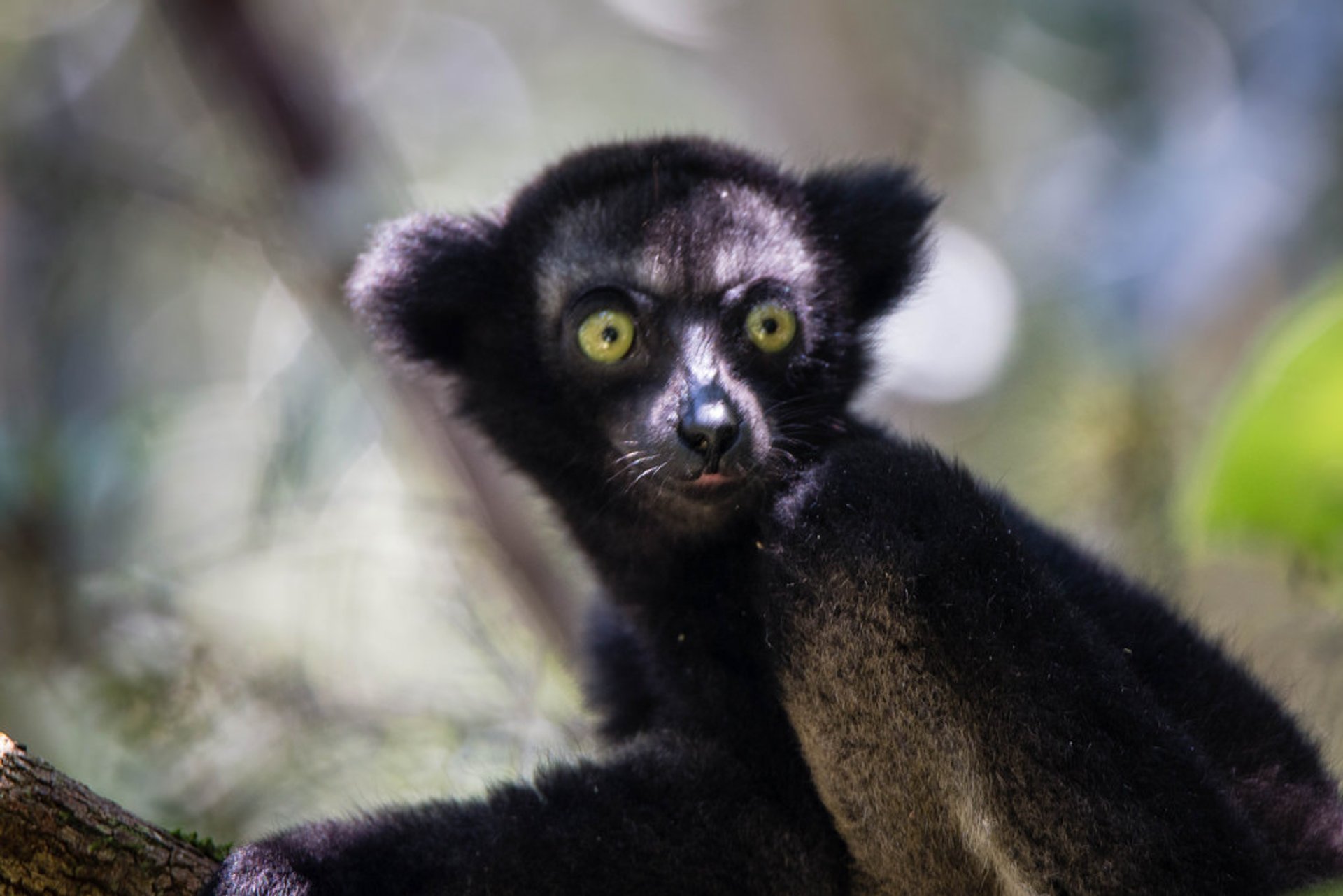
Indri Lemurs

Ring-tailed Lemurs
Sifaka Lemur
Aye-Aye Lemur