

Daily in our bodies, due to mutations of DNA within cells, a few abnormal cells grow. The killer T cells, a type of white blood cell, helps us by identifying and killing these abnormal cells. However, sometimes our immune system fails to spot these abnormal cells in our body. Unlike normal cells, they grow uncontrollably and rapidly. Cancer happens when these abnormal cells are spread all over the body and trillions of abnormal cell clusters have developed in different places of the body.
These abnormal cells or the cancer cells, can grow into, or begin to push on nearby organs, blood vessels, and nerves. This pressure causes some of the signs and symptoms of cancer. Additionally, since the cancer cells use up much of the body’s energy supply; fever, fatigue, or weight loss can occur during cancer.
Signs and symptoms caused by cancer will vary depending on which part of the body is mainly affected. Apart from weight loss, fatigue, and fever, here are some general signs associated with cancer.
- Lump or area of thickening that can be felt under the skin
- Skin changes, such as yellowing, darkening, or redness of the skin
- Unexplained bleeding or bruising
- Hoarseness and croaky voice
- Difficulty swallowing
- Persistent cough or trouble breathing
- Changes in bowel or bladder habits
- Persistent indigestion or discomfort after eating
- Persistent, unexplained muscle or joint pain
Even though these signs are not specific to cancer if they persist make an appointment with your doctor to corroborate that you are free from cancer.
Moreover, you can notice some more visible changes in the organs if there is cancer developing around them. But these symptoms will take a time to appear. In most cases, by the time when these signs appear, cancer has spread considerably in the body.
For example, if you are undergoing breast cancer, you may experience unusual changes in your breasts. The below mentioned are some warning signs of breast cancer.
- New lump in the breast or underarm
- Thickening or swelling of part of the breast
- Irritation or dimpling of breast skin
- Pulling in of the nipple or pain in the nipple area
- Nipple discharge other than breast milk, including blood
- Pain in any area of the breast
If you have neglected the general signs, with time there can be a new lump or mass in the breasts as the earliest specific sign of breast cancer. Then the signs will develop into the above-mentioned warning signs, which will make the condition exacerbated.
Let’s check a few more signs of cancer in different organs.
In many cases of cancer in the intestines, there will be blood in your stool, and abdominal pain or cramps that don’t go away.
Blood in the urine (hematuria) can be a sign of kidney cancer. Low back pain on one side which is not caused by injury is another symptom of kidney cancer.
Coughing up blood can be a sign of lung cancer.
Weak bones, lumps, swelling, or inflammation of bones can be signs of bone cancer.
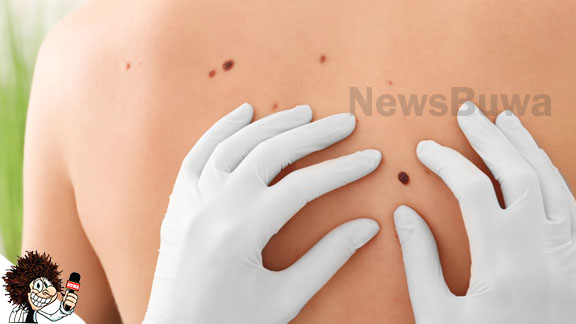
Getting new moles or changes in a mole can be associated with skin cancer. However, all skin cancers do not look the same and may cause different changes in your skin.
Seizures, personality or memory changes, drowsiness, nausea, or vomiting can be signs of brain cancer.
Appendix cancer, and gall bladder cancer are less common cancers while breast cancer is the most common cancer in the world. Nevertheless, breast cancer is one of the most curable cancers. Lung and bronchus cancers, colorectal cancer, and pancreatic cancer are the top deadliest cancers that are responsible for many deaths per year.
If you are having any of the mentioned general signs of cancer for a long time, the best thing you can do is to consult a doctor. If anything has changed in your bowel and bladder habits, you can check your stool and urine samples along with blood.
Higher than normal numbers of lymphocytes or monocytes and decreased number of red blood cells can indicate the possibility of cancer.
Even if you have been diagnosed with cancer, you have plenty of chances to cure or mitigate cancer with the right medications and treatments. Therefore, the most important thing is to diagnose cancer in its early stages. Stay close to your body and listen to what it is trying to say to you.
Thank you for reading!
If you found the article useful, please share it with your family and friends to spread awareness of cancer.